

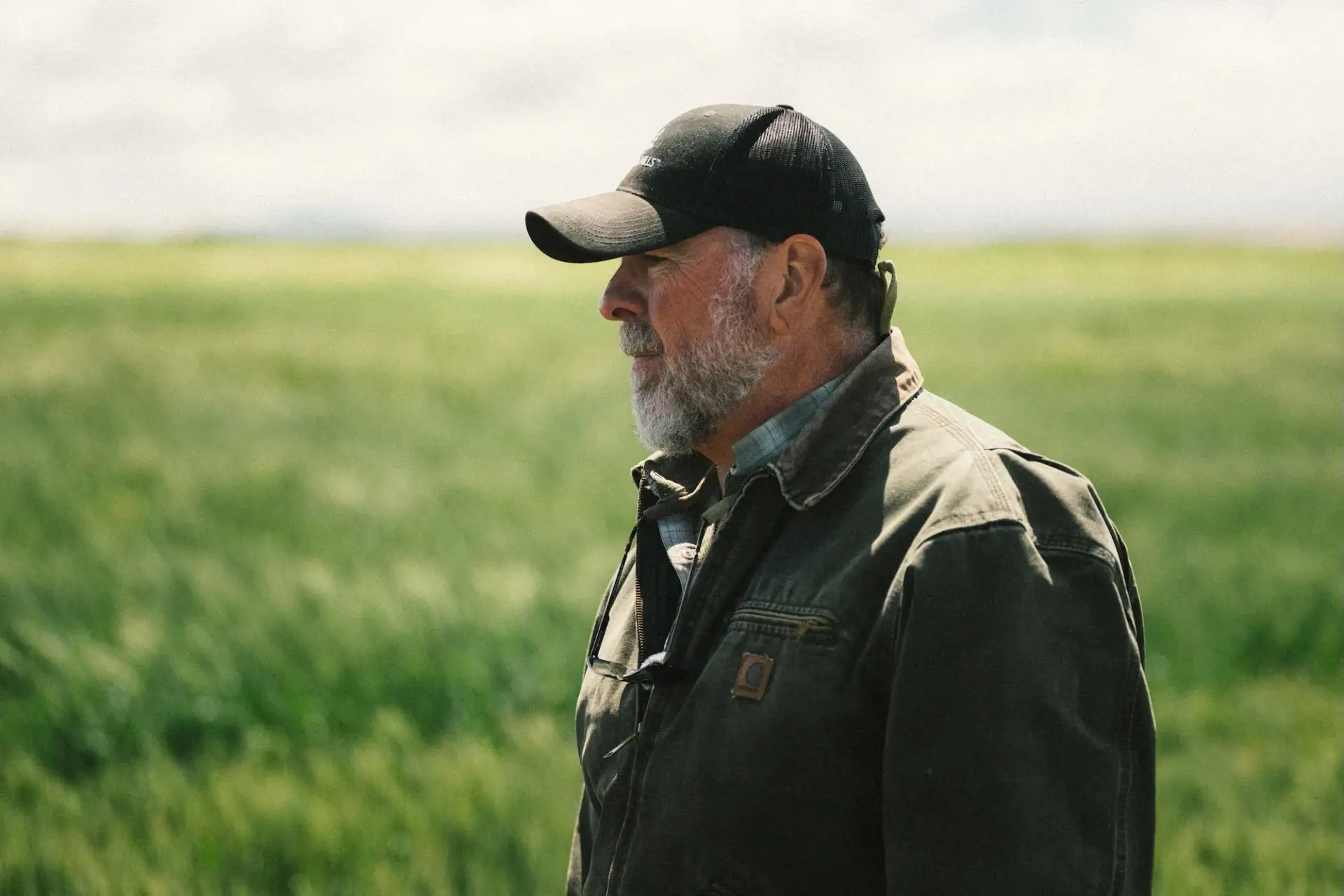
Kevin Morse is on a mission to show {that a} meals enterprise will be worthwhile whereas “including worth reasonably than extracting it.” As CEO and co-founder of Cairnspring Mills, he’s constructing fashionable mills in farming communities, shopping for identity-preserved grain from farmers and stone-milling it into distinctive flour. After greater than a decade within the Skagit Valley, he’s opening Blue Mountain Mill in Pendleton, Oregon, with the Confederated Tribes of the Umatilla Indian Reservation. Beneath, he shares why wheat is loads like wine, how his good web site was the final place he seemed and why sluggish, costly goals demand grit.
This interview has been edited for size and readability.
What makes your product totally different?
Wheat generally is a lot extra like wine grapes than most individuals understand and definitely not what I anticipated once I began diving into this enterprise. I believed that wheat and flour had been all the identical. What I found completely stunned me.
Most bakers have by no means had entry to the range that truly exists in wheat. We’re making an attempt to vary that. We work with farmers to develop particular varieties, protect their id from the farm by way of the mill, and produce grains to market that beforehand weren’t obtainable to {most professional} or dwelling bakers.
We additionally stone-mill our flour to protect extra of the pure taste and vitamin of the grain. In fact, it nonetheless has to carry out. Knowledgeable baker has to have the ability to rely upon our flour day-after-day. So the problem—and the enjoyable—is delivering taste, vitamin and id whereas producing flour that performs exceptionally effectively.
What’s totally different concerning the enterprise construction?
We’re organized as a social-purpose company, which supplies us the fiduciary flexibility to think about outcomes past merely maximizing revenue.
That may sound summary, however for us it interprets into very sensible choices. We will donate flour to meals banks as a result of feeding folks in our neighborhood issues. We may give an incremental worth break to a younger bakery that’s simply getting began as a result of serving to them succeed might create a terrific buyer and neighborhood enterprise for the subsequent 20 years. We will pay a farmer extra for rising one thing otherwise as a result of we imagine there’s long-term worth in more healthy soil.
These choices might not maximize the revenue on that individual transaction, however they will create huge worth over time. That’s an essential distinction for me. We aren’t making an attempt to offer worth away; we’re making an attempt to maintain including worth reasonably than extracting it. Our buyers are a part of that. Their capital makes this work potential, and we now have a duty to construct a enterprise that earns them a return. We nonetheless must construct a financially robust, worthwhile firm. Revenue provides us the flexibility to maintain investing in farmers, staff, prospects, and communities whereas rewarding the individuals who invested in us. It simply isn’t the one consequence we measure.
Are you able to summarize farmers’ plight and the way you’re aiming to assist?
Commodity agriculture has turn into a race to the underside. Farmers carry super threat—climate, markets, gear, land and rising enter prices—however normally they’ve little or no management over the worth they’re paid. The strain is fixed to get greater, produce extra and decrease prices.
We’re making an attempt, in our small approach, to create an alternate.
Reasonably than asking how cheaply we are able to purchase wheat, we’re making an attempt to create a higher-value home marketplace for farmers. We contract instantly with growers, create markets for differentiated varieties and regenerative practices, and supply higher predictability round what we’re going to purchase and what we’re going to pay.
If we do it effectively, farmers get a greater, extra predictable backside line, whereas additionally having extra alternative to put money into the long-term well being and viability of their soil and farm.
I maintain coming again to the concept that regenerative agriculture additionally must be economically regenerative. We will’t ask farmers to enhance the well being of the land whereas taking part in an financial system that slowly places them out of enterprise.
What made you determine that this was the correct time to open Blue Mountain Mill in Pendleton, Oregon?
Blue Mountain is the results of greater than a decade of studying at our first mill within the Skagit Valley. We demonstrated demand for what we had been doing and ultimately reached the purpose the place our ambitions and buyer demand outgrew what that mill might produce.
Pendleton additionally has three issues which can be extremely essential to our mannequin: entry to among the greatest wheat-growing land within the nation, entry to the markets we wish to serve, and an present neighborhood of farmers already training regenerative agriculture.
That mixture is tough to search out. We additionally knew a second mill would permit us to check whether or not the mannequin we’ve developed in Skagit might work at a considerably bigger scale and in one other area.
There was no second when all the danger disappeared and it abruptly turned apparent that we must always construct it. Sooner or later, as an entrepreneur, you need to determine whether or not you’ve realized sufficient, whether or not the chance is actual, and whether or not you’re prepared to take the subsequent threat. We determined we had been.
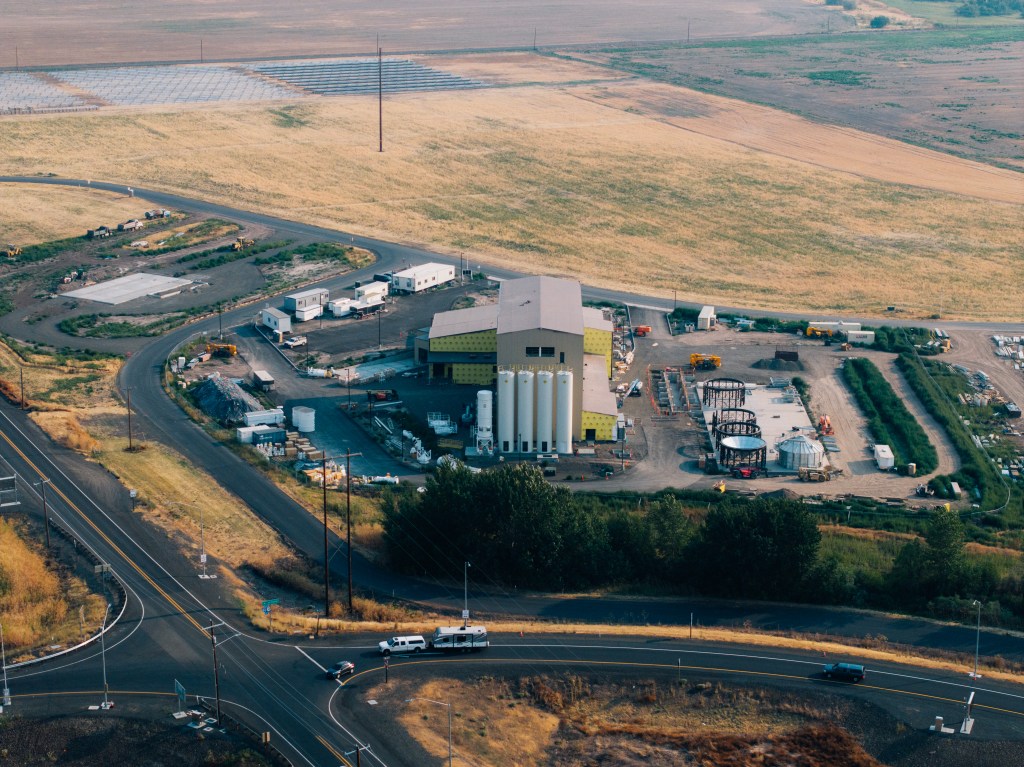
How did you arrive on the partnership with the Confederated Tribes of the Umatilla Indian Reservation?
Satirically, the Confederated Tribes of the Umatilla Indian Reservation location was the final place I seemed.
We initially wished fee-simple property that we might buy outright. I most likely checked out 20 totally different websites, and for one purpose or one other, none of them felt proper. I had been inspired to have a look at Coyote Enterprise Park on the Umatilla Indian Reservation, however as a result of it didn’t match that authentic mannequin, I saved trying elsewhere.
Finally, I agreed to go see it. The infrastructure and entry had been practically good for what we would have liked—and it didn’t damage that the location has an unimaginable view of the Blue Mountains. However what in the end sealed the deal was one thing I hadn’t been searching for on an actual property guidelines: alignment with the Tribe.
As we acquired to know each other, we found shared values round stewardship, agriculture, neighborhood, financial growth and constructing one thing that might create lasting worth within the area. What started as a seek for a bit of actual property turned a a lot deeper partnership.
There’s most likely an entrepreneurial lesson in that for me. Generally being too constrained by what you suppose the reply is meant to appear to be prevents you from seeing a significantly better reply sitting proper in entrance of you.
Milling infrastructure isn’t a software program enterprise — it’s sluggish, bodily and costly. What would you inform a founder who’s drawn to a equally capital-heavy, long-payback thought about whether or not it’s value it?
When you’re seeking to make a fast fortune, this most likely isn’t the enterprise for you.
Constructing bodily infrastructure requires an unlimited quantity of endurance, dedication and perseverance. It should most likely take longer than you suppose, value greater than you suppose, and current issues you couldn’t presumably have anticipated if you began.
You want capital, clearly, however you additionally want grit. There have been loads of instances throughout Cairnspring’s journey when the best or most typical reply would have been to cease. We saved searching for one other path.
That doesn’t imply blindly sticking with a nasty thought. Caring concerning the mission doesn’t excuse you from making good enterprise choices. It’s important to be rigorous about prices, demand and the way the enterprise will earn a return on the capital it takes to construct it. It’s important to continuously pay attention, study and adapt. However I’ve realized there’s an essential distinction between being versatile about the way you get someplace and being dedicated to the place you’re making an attempt to go.
What’s one thing about working a social-purpose company that stunned you — tougher or simpler than you anticipated?
One factor I’ve realized is that having a social goal doesn’t essentially make choices simpler. Generally it makes them tougher since you’re deliberately contemplating multiple consequence.
It’s comparatively straightforward to maximise a single variable. It will get extra difficult if you’re asking what’s greatest for the monetary well being of the corporate, our staff, farmers, prospects, communities and the surroundings—and people solutions don’t all the time level in precisely the identical course.
The stunning half is that I’ve additionally seen how usually these pursuits reinforce one another over the long run. Serving to a younger bakery get established can create a loyal buyer. Paying a farmer pretty can create a reliable long-term provide relationship. Investing in staff creates people who find themselves deeply dedicated to the corporate.
I’ve turn into much less fascinated about whether or not one thing maximizes the worth of a person transaction and extra fascinated about whether or not we’re creating lasting worth by way of the connection.
That doesn’t take away the strain. We nonetheless must earn a living, and typically we now have to make tough choices. However the social-purpose construction provides us permission to outline success extra broadly than the subsequent quarter’s backside line.
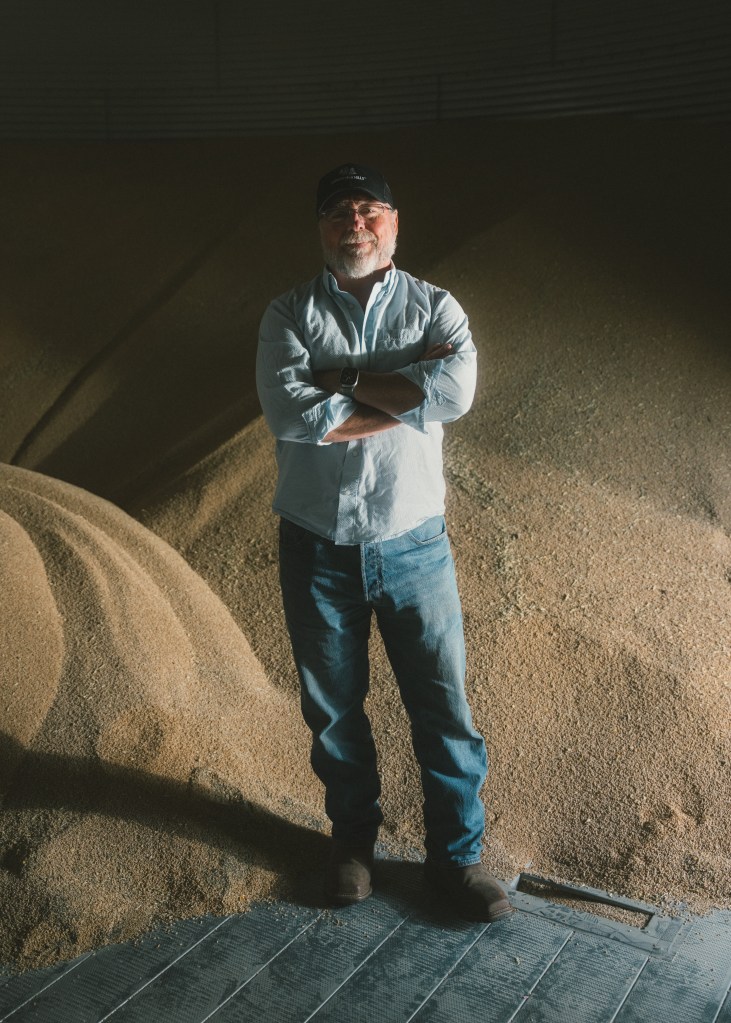
Photograph credit score: Andrew M. Snyder for Cairnspring Mills
What’s your final objective and what does success appear to be to you?
My objective isn’t to construct the largest flour firm in America.
I’d like Cairnspring to assist reveal that regional, human-scale meals infrastructure will be economically profitable whereas creating worth far past the underside line.
Our imaginative and prescient is a world nourished by cleaner, more healthy grains grown regeneratively and milled near dwelling. Success would imply more healthy soil, extra nutritious and flavorful meals, affluent farmers, good jobs, thriving native companies and communities which can be extra resilient as a result of among the infrastructure and financial worth of their meals system has returned dwelling.
I’d additionally like what we’re doing to encourage others. Cairnspring doesn’t have to personal each mill, and we’re definitely not going to resolve these issues ourselves. Actually, actual success would imply different entrepreneurs, farmers and communities take what we’ve realized, enhance upon it and construct fashions of their very own.
Kevin Morse is on a mission to show {that a} meals enterprise will be worthwhile whereas “including worth reasonably than extracting it.” As CEO and co-founder of Cairnspring Mills, he’s constructing fashionable mills in farming communities, shopping for identity-preserved grain from farmers and stone-milling it into distinctive flour. After greater than a decade within the Skagit Valley, he’s opening Blue Mountain Mill in Pendleton, Oregon, with the Confederated Tribes of the Umatilla Indian Reservation. Beneath, he shares why wheat is loads like wine, how his good web site was the final place he seemed and why sluggish, costly goals demand grit.
This interview has been edited for size and readability.
What makes your product totally different?
Wheat generally is a lot extra like wine grapes than most individuals understand and definitely not what I anticipated once I began diving into this enterprise. I believed that wheat and flour had been all the identical. What I found completely stunned me.
